株式会社らしく[サプリメント]
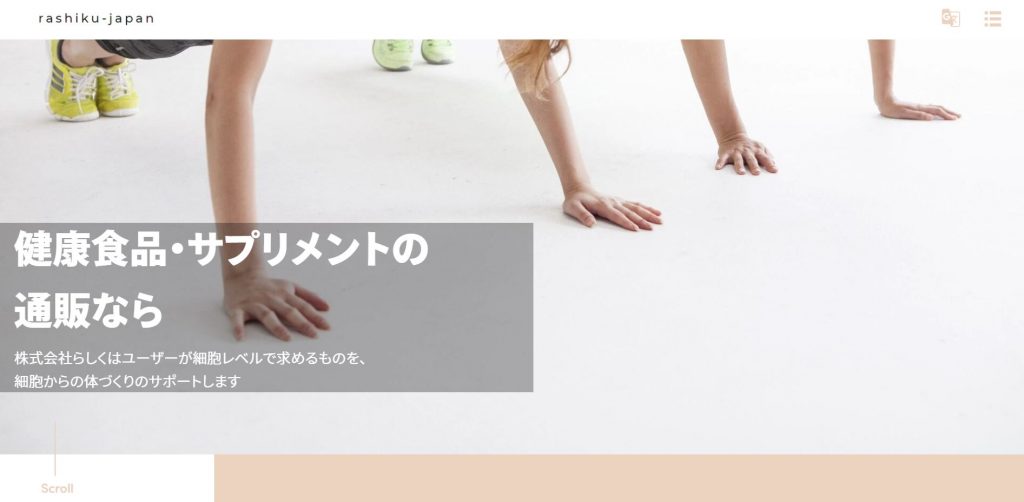
「疲れが取れなくて困っている」というかたはいませんか?
サプリメントで適切に栄養補給することにより、元気な身体を目指せますよ。
そこでおすすめしたいのが、サプリメント 通販の「株式会社らしく」です。
老化を抑えると言われているNMNや、高い吸収率を誇るリポソームビタミンCなど、こだわりの商品を取り揃えています。
アスリートにもおすすめな、パフォーマンスの向上が期待できるサプリメントなどもありますよ。
国内のGMP認定工場で製造されているので安心安全に飲めますよ。
「サプリで体調を整えたい」「トレーニングをサポートしてくれるサプリを探している」というかたも、ぜひ気軽に問い合わせてみてください。
【会社情報】

■会社名
株式会社らしく
■住所
〒640-8355
和歌山県和歌山市北ノ新地1丁目31
デュオキンキ和歌山ビル6F
Google MAPで確認する
■電話番号
073-488-5852
■営業時間
10:00~18:00
■定休日
土曜日・日曜日・祝日
■HP
https://rashiku-shop.com/
ブルーオーシャンマーケティング合同会社[通販 化粧水]
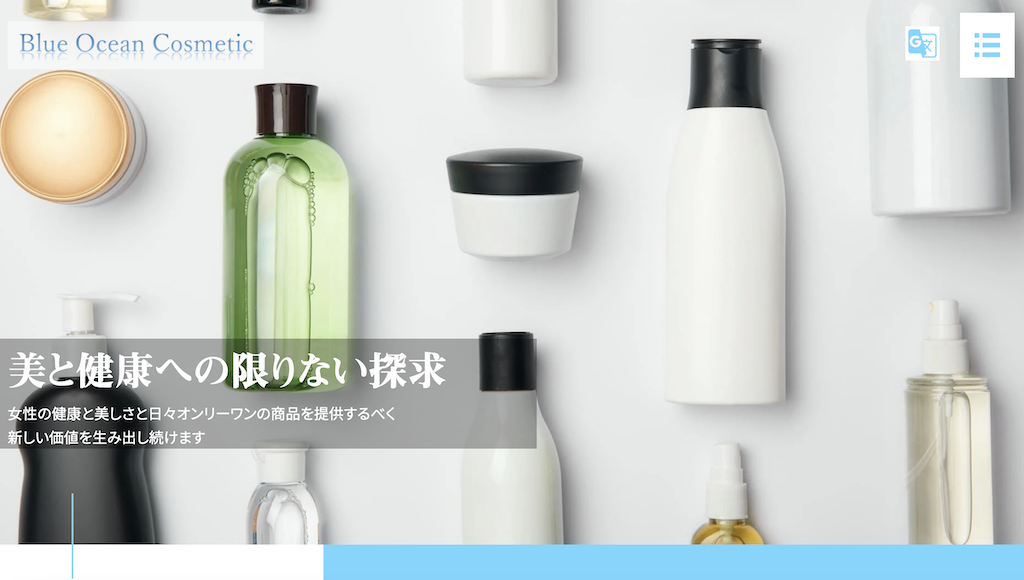 「自分の肌にあう化粧品がなかなか見つからない」とお困りではありませんか?
年齢や肌質などを問わず使えるアイテムがあると嬉しいですよね。
そこでご紹介したいのが、通販 化粧水の「ブルーオーシャンマーケティング合同会社」です。
乳酸菌に注目した化粧水や石けんなどを販売している会社です。
さまざまな肌の悩みに対応する成分を配合しているため、オールシーズン使えるのがメリットです。
美容業界で注目されている注目のスキンケア方法を、あなたも試してみませんか?
アンチエイジングに適した「ビィシェイプ」や全身美肌を作れる「マテリア リフレ」など、人気商品を取り揃えています。
さまざまなラインナップがあるので、気になるアイテムがある場合はぜひ購入してみてください。
【会社情報】

■会社名
ブルーオーシャンマーケティング合同会社
■住所
〒533-0002
大阪府大阪市東淀川区北江口2丁目2番7-106
■電話番号
06-7175-3552
■営業時間
10:00~21:00
■定休日
年中無休
■HP
https://blueocean-7.jp/
株式会社メグラス[観葉植物 リース]
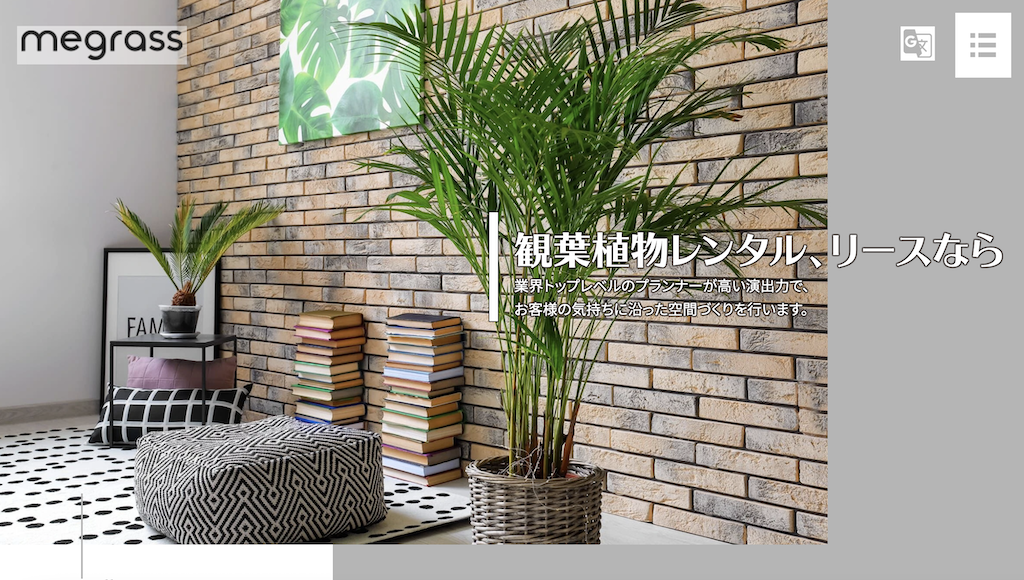 「お店に観葉植物を置こうと思うけれど、植物に詳しくないため何を買えば良いかわからない。トータルでコーディネートしてくれる企業があったらぜひお願いしたい。」
このようにお考えの経営者の方は多いと思います。
観葉植物 リースで有名な株式会社メグラス」なら、ご要望にしっかりと応えてくれますよ。
株式会社メグラスは、あらゆる空間を観葉植物の力でセンス良く演出してくれる植物のリース会社です。
本物の植物はもちろん、必要な場合は造花の配置にも対応してくれます。
各種商業施設やオフィスだけでなく、外構の植栽プランニングも請け負ってくれますよ。
メンテナンスの費用が心配な方には低コストのプランもありますから、予算についても相談してみてください。
一都三県に対応してくれるので都心から距離がある方もまずは連絡してみると良いでしょう。
お問い合わせは電話、もしくは専用フォームからお気軽にどうぞ。
【会社情報】

■会社名
株式会社メグラス
■住所
〒107-0062
東京都港区南青山4丁目13-9 クレセントヒルズ 1F
■電話番号
03-5544-8636
■ホームページ
https://megrass.co.jp/
■営業時間
10:00~18:00
■定休日
日,土,祝
■HP
https://greenest-megrass.com/
compoa. [美容液]
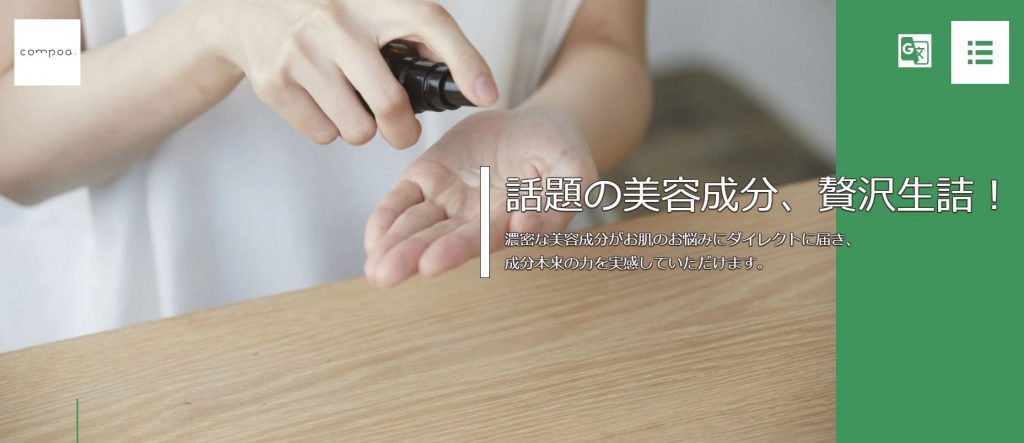
美容液を選ぶ際に大切なポイントとして、自分がどんな効果を得たいのかを確認する必要があります。
もちろん肌の悩みに合わせた成分のものを選ぶことも重要ですが、それ以外にも添加物の有無によってその効果は変わってくるんですよ。
美容液 通販で人気の『compoa.』は美肌のための成分のみを使用しているため、これまでの美容液では充分な効果を感じられなかった方からの評価も高いんです。
さらに無添加なので、添加物が気になる方にも安心して使えるのが嬉しいポイントですね。
「従来の美容液では肌トラブルを起こしていた」という方にこそ使ってほしい物を多く取り扱っています。
無添加だからこその安心感で、性別や年代問わず幅広く親しまれているんですよ。
美容液の購入を検討されている方は、ぜひ一度サイトを覗いてみてくださいね。
【会社情報】

■会社名
compoa.
■住所
愛知県名古屋市中区錦1丁目10番12号 服部ビル10F
■最寄り
伏見駅より徒歩1分
■HP
https://compoa.jp/
qoui canning store[ジャム通販]
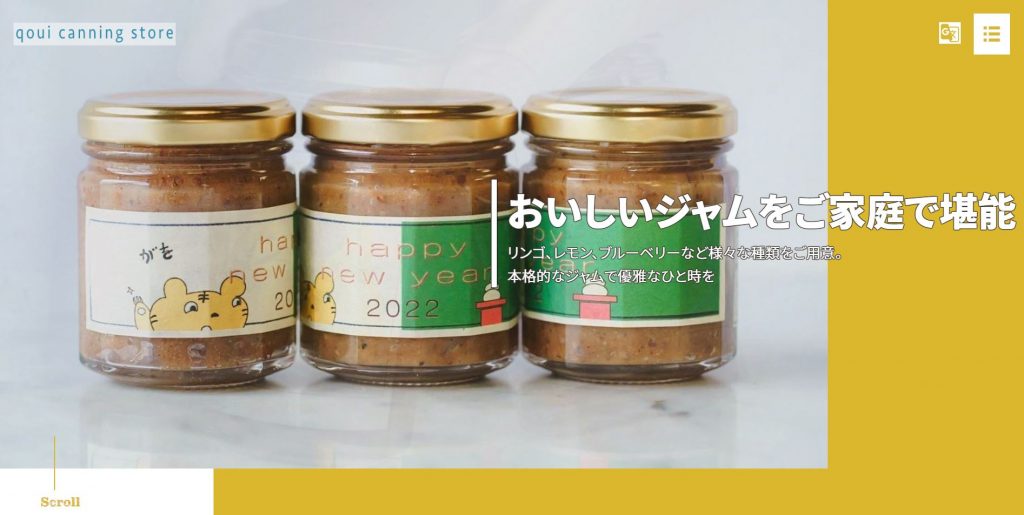 「忙しくて海外旅行はできないが、気軽に旅行気分を味わいたい」
そんな風にお考えの方は、いらっしゃいませんか?
海外旅行は、費用や時間がかかりますよね。
そんな方は世界の材料を使ったジャムを食べて、海外気分を味わいませんか?
『qoui canning store』は、大阪府から通販 ジャムを販売している店です。
時代に合わせた食文化を楽しむため、伝統を大切にしたうえで新しいアイデアを取り入れ、多種多様なジャムを制作しています。
複数のジャムを一緒に送れるので、贈答用としても良いでしょう。
「海外旅行気分を手軽に味わいたい」
そうお考えなら『qoui canning store』のジャムを取り寄せることをおすすめします。
いろいろな食材に合うように作られているジャムのため、様々な楽しみ方ができますよ。
【会社情報】■店舗名
qoui canning store
■住所
〒568-0085
大阪府茨木市忍頂寺164-5
■営業時間
10:00~17:00
■定休日
不定休
■HP
https://qoui-online.com/
Vanric.Design[ミニウォレット通販]
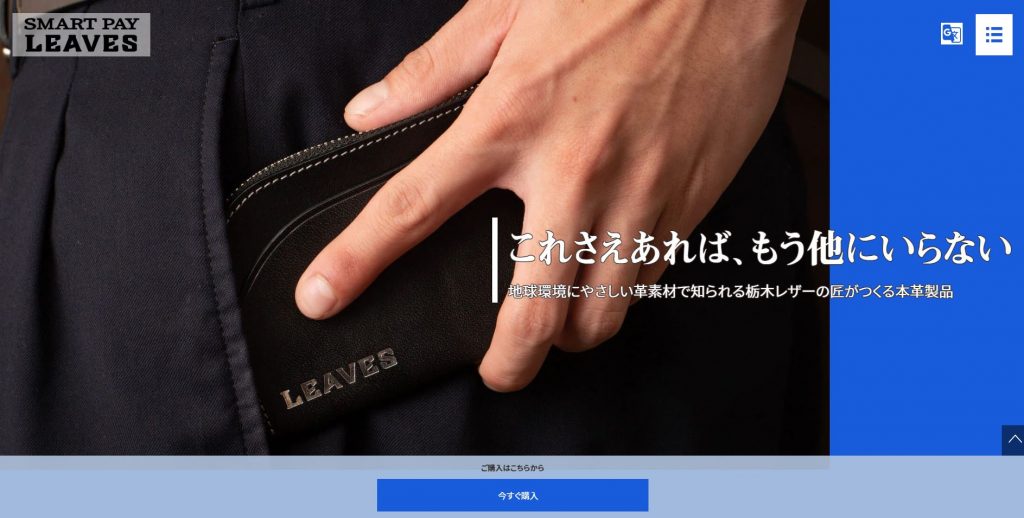 「ICカードの読み取りがエラーになることが良くある」とお困りのかたはいませんか?
ICカードが2枚重なっていたりすると、上手く読み込みが行なわれません。
そこでご紹介したいのが、レザー ミニウォレットの「Vanric.Design」です。
シンプルさと機能性にこだわったミニウォレットを製作している会社です。
お客さんの「こんな財布があれば良いのに…」という理想を実現します。
IC用防磁シートを採用することにより、財布の表裏で2枚のICカードを使い分けられるようになっていますよ。
この財布とスマホだけをポケットに入れて、気軽に出かけることができますよ。
重さは32gと、かなり軽量です。
CAMPFIREの通販サイトで販売しているので、ぜひ気軽に使ってみてくださいね。
【会社情報】
■会社名
Vanric.Design合同会社
■住所
〒244-0815
神奈川県横浜市戸塚区下倉田町1775-22
■電話番号
050-5539-4192
■HP
https://vanricdesign.jp/
牛牧の里[桑茶・通販]
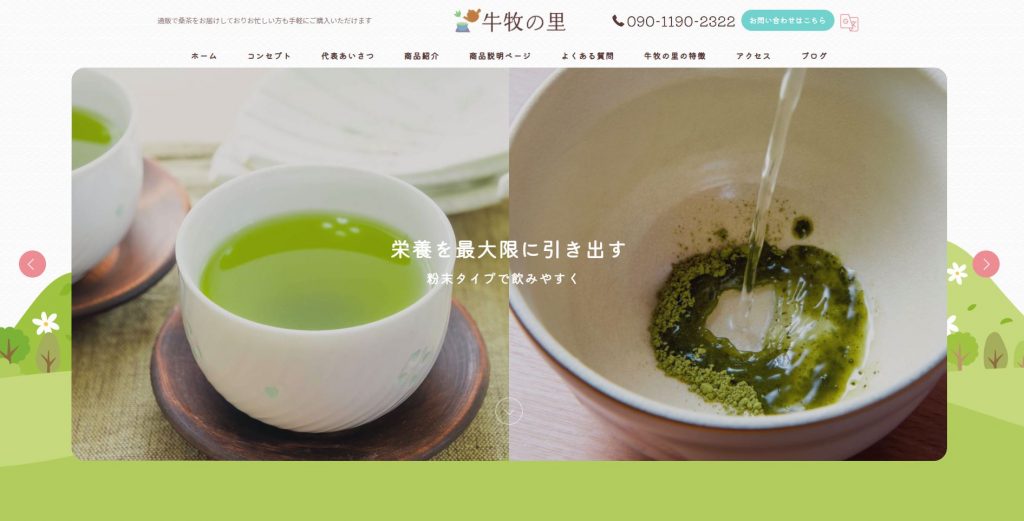 「毎日お茶を飲んでいるのだけど、何だか健康になっている気がしない…」というかたはいませんか?
そんなかたには栄養豊富な桑茶がおすすめです。
そこでご紹介したいのが、通販 桑茶の「牛牧の里」です。
ノンカフェインで栄養豊富な桑茶の通販を行なっている会社です。
粉末タイプなので、お茶の栄養素を全て摂れますよ。
スタッフが丁寧に手摘みで収穫した桑の葉を粉末状に加工しています。
リピーターも多いので安心して飲めそうです。
ダイエット中のかたにも愛用者が多いですよ。
「家族みんなに健康で長生きして欲しい」「ノンカフェインで美味しいお茶を探している」というかたも、ぜひ一度飲んでみてくださいね。
【店舗情報】 ■店舗名
■店舗名
牛牧の里
■電話番号
090-1190-2322
■所在地
〒893-0061
鹿児島県鹿屋市上谷町32-25
■営業時間
10:00 〜 18:00
■定休日
不定休
■HP
https://ushimakinosato.jp/